
Fever can be confusing. Especially when you’re not sure how to use a thermometer. I get it.
It’s frustrating.
You want to know if you or your loved one has a fever. But the last thing you need is more confusion.
Let’s cut to the chase. This article will help you understand how to use a thermometer, read the results, and recognize the signs of a fever. No fluff, just clear, actionable advice.
I’ve seen too many people struggle with this. And it’s time to change that.
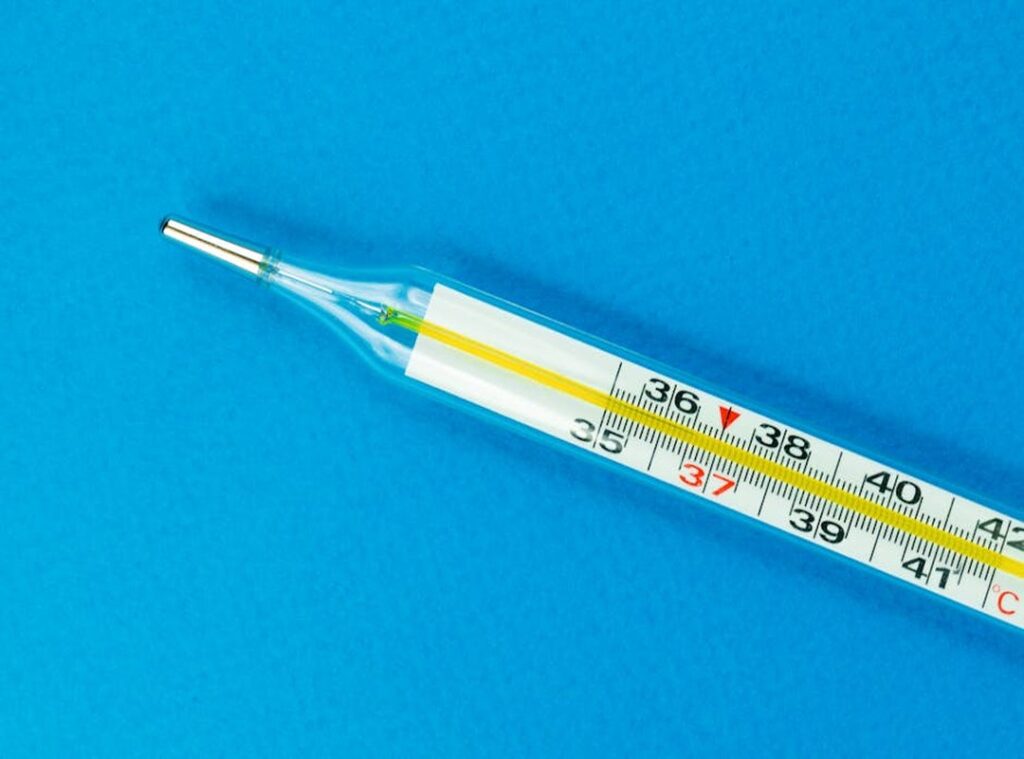
We’ll cover everything from taking a temperature to interpreting the readings. And yes, we’ll have thermometer lagnat picture to make it even clearer.
So, are you ready to take control? Let’s dive in.
Types of Thermometers for Measuring Fever
When it comes to measuring a fever, you’ve got a few options. Let’s break them down.
Oral Thermometers: How they work and when to use them
Oral thermometers are simple and easy to use. You just place the tip under your tongue and wait for the reading. They’re great for older kids and adults who can hold still.
But if you’re dealing with a fussy toddler or someone who can’t keep still, this might not be your best bet.
Ear (Tympanic) Thermometers: Advantages and Limitations
Ear thermometers are quick and convenient. They measure the temperature inside the ear canal, which is close to the brain. This makes them pretty accurate.
However, they can be tricky with small children or if the ear has wax buildup. Plus, they tend to be more expensive than other types.
Forehead (Temporal Artery) Thermometers: Ease of Use and Accuracy
Forehead thermometers are a breeze to use. You just swipe the sensor across the forehead, and you get a reading in seconds. They’re non-invasive and perfect for all ages.
The downside? They can be less accurate if the room is too cold or if the person is sweating.
Rectal Thermometers: When and Why They Are Used, Especially for Infants
Rectal thermometers are the gold standard for infants under three months. They provide the most accurate readings, which is crucial for young babies. It’s a bit more invasive, but it’s often the only way to get a reliable temperature.
For older kids and adults, though, this method is usually not necessary unless specifically recommended by a doctor.
Choosing the right thermometer depends on who you’re measuring and what you’re comfortable with. Each type has its pros and cons, so pick the one that fits your needs best.
How to Use a Thermometer Correctly
Using a thermometer might seem simple, but getting an accurate reading is crucial. Let’s break it down by type.
Oral Thermometer
- Wash the thermometer with soap and water.
- Place the tip under your tongue.
- Close your mouth and breathe through your nose.
- Wait for the beep or signal to check the temperature.
Ear Thermometer
- Gently pull the ear straight back.
- Insert the thermometer into the ear canal.
- Press the button and wait for the beep.
- Remove the thermometer and read the temperature.
Forehead Thermometer
- Turn on the thermometer.
- Place it in the center of the forehead.
- Slowly move the thermometer across the forehead.
- The device will display the temperature.
Rectal Thermometer
- Clean the thermometer with soap and water.
- Apply a small amount of lubricant to the tip.
- Gently insert the thermometer about 1/2 to 1 inch into the rectum.
- Hold it in place until you hear the beep.
- Clean the thermometer thoroughly after use.

Remember, each type of thermometer has its own specific steps. Follow them carefully to get the most accurate readings.
Interpreting Thermometer Readings
Normal body temperature can vary, but it’s generally around 98.6°F (37°C). If your reading is a bit higher or lower, don’t panic. It’s normal for it to fluctuate a little.
Normal Body Temperature Range
What’s considered normal? Anything between 97°F and 99°F (36.1°C to 37.2°C) is usually fine. But if you’re consistently outside this range, it might be time to check in with a doctor.
Fever Thresholds
- Low-grade fever: 99°F to 100.4°F (37.2°C to 38°C)
- Moderate fever: 100.5°F to 102.2°F (38.1°C to 39°C)
- High fever: 102.3°F and above (39.1°C and above)
I once had a low-grade fever that I ignored. Big mistake. It turned into something more serious, and I ended up in the hospital.
Lesson learned: always take fevers seriously.
Visual Aids

This image shows different thermometer readings. The red zone indicates a high fever, while the green zone is within the normal range. The yellow zone is for low-grade and moderate fevers.
When to Seek Medical Attention
- If your fever is 102.3°F (39.1°C) or higher.
- If you have a fever for more than 48 hours.
- If you experience other symptoms like severe headache, confusion, or persistent vomiting.
If you’re unsure, it’s better to err on the side of caution. Trust me, I’ve been there. Ignoring a fever can lead to bigger problems.
Understanding these basics can help you make informed decisions. And remember, if you’re ever in doubt, it’s always a good idea to consult a healthcare provider.
Signs and Symptoms of Fever

Chills, sweating, headache, and body aches are the common symptoms you might experience. These are your body’s way of telling you something is off.
Flushed skin and glassy eyes are visual indicators. (You might notice these in a mirror or when looking at someone else.)
Behavioral changes like restlessness, irritability, and lethargy can also be signs. These are often the first things others notice about you.
Understanding these signs can help you recognize a fever early. Early detection means you can take action sooner, which is always better.
Managing and Treating Fever
Fever can hit you hard, especially in the unpredictable weather of Evanston. Staying HYDRATED is key. Drink plenty of water, or if you’re feeling adventurous, try some herbal tea.
Rest is CRUCIAL. Your body needs time to fight off whatever’s causing the fever. Make sure your room is cool and quiet.
Use light blankets; no need to overheat.
When it comes to OVER-THE-COUNTER MEDICATIONS, acetaminophen and ibuprofen are your go-to options. Acetaminophen is great for reducing a fever, but don’t overdo it. Follow the dosage guidelines on the bottle.
For adults, that’s usually 325-650 mg every 4-6 hours.
Ibuprofen can also help with aches and pains. Take 200-400 mg every 4-6 hours as needed. But be careful—too much can irritate your stomach.
Remember, if your fever lasts more than a few days, it’s time to see a doctor. Don’t mess around with persistent fevers.
Staying Healthy and Informed
Using a thermometer lagnat picture is essential for accurately measuring body temperature. Recognizing the signs of fever, such as a temperature above 100.4°F (38°C), can help in early detection and treatment. Proper use of a thermometer, whether it’s oral, rectal, or under the arm, ensures accurate readings.
Understanding these signs and using the right tools are crucial for better health management. Stay informed about your health and take proactive steps to keep yourself and your family healthy.
 Annabelle Evans played a pivotal role in shaping Risk Gamble Prime into the trusted platform it is today. With her extensive knowledge of the gambling industry, she helped craft the site’s comprehensive content and ensured that users received the latest industry insights. Annabelle's focus on providing valuable, practical advice to both casual and professional players was essential in establishing the platform as a reliable resource. Her contributions to the website's development are integral to its success, particularly in the areas of responsible gambling practices and player education.